Leaf Elements SVG: Timeless Graphics for Elegant Blog & Editorial Design
As a blog designer and digital publisher, I'm always on the lookout for high-quality design assets that elevate content without overwhelming it. Leaf Elements SVG caught my eye immediately—its vintage botanical charm and clean vector format make it a versatile choice for a wide range of editorial and content publishing needs.
First Impressions: A Touch of Botanical Elegance
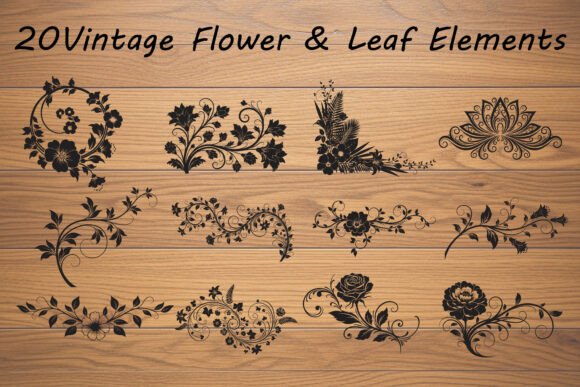
The moment I opened the Leaf Elements SVG bundle, I was struck by the refined simplicity of the illustrations. Each of the 20 botanical graphics feels like a carefully curated piece of art—delicate yet bold, timeless yet fresh. These aren't just random leaf doodles; they're thoughtfully composed botanical arrangements that lend a soft, organic mood to any layout.
Visually, this design asset leans into a lifestyle, nature, and wellness aesthetic. It’s especially well-suited for content niches like interior design, gardening, self-care, sustainable living, and creative entrepreneurship. The floral motifs and leafy elements bring a sense of calm and sophistication, perfect for bloggers aiming to build reader trust through polished, visually cohesive content.
Real-World Publishing Uses for Leaf Elements SVG
One of the standout features of this graphic design asset is its adaptability across real content publishing workflows. Here are some of the most effective use cases I’ve tested:
- Blog featured images – Add botanical flair to article headers without overpowering the text
- Pinterest pins – Enhance visual storytelling with subtle botanical accents
- Newsletter headers – Create branded email banners that feel warm and editorial
- Digital guides & lead magnets – Elevate downloadable resources with vintage-style illustrations
- Category thumbnails – Differentiate blog sections with soft, organic visuals
- Social media templates – Use in Canva or Photoshop to build branded post designs
- eBook covers – Add a touch of botanical elegance to digital product packaging
Leaf Elements SVG works especially well in content marketing strategies that rely on visual appeal to boost click-through rates and reader engagement. Whether you're running an affiliate blog, a wellness newsletter, or a lifestyle website, these botanical graphics can help create a consistent visual identity across your digital assets.
How Leaf Elements SVG Boosts Content Performance
Visuals are more than just decoration—they play a critical role in how readers perceive and interact with your content. Here’s how this design asset helps improve content performance:
- Stronger first impression – The elegant botanical motifs immediately set a sophisticated tone
- Clearer visual hierarchy – Helps guide the reader’s eye through the layout
- Better click-through potential – More visually appealing thumbnails and social media previews
- Consistent branding – Use across multiple content formats builds a recognizable visual language
- Improved reader trust – Professionally designed graphics signal credibility
- Better category recognition – Use unique botanical illustrations to differentiate content sections
- Stronger visual identity – Reinforces your brand’s editorial tone and niche
- Professional-looking content pages – Enhances digital guides, worksheets, media kits, and affiliate content visuals
Where Leaf Elements SVG Shines
From my experience designing and publishing content across multiple platforms, here are the areas where this design asset truly excels:
- Hero images – Use as background accents or header embellishments
- Article thumbnails – Adds visual texture without distracting from the headline
- Pinterest graphics – The botanical theme is naturally Pinterest-friendly
- Blog headers – Perfect for adding editorial polish to article graphics
- Email banners – Works beautifully in newsletter headers and lead magnet visuals
- Content upgrades – Enhances downloadable resources like printables and worksheets
- Social media posts – Adds a curated, intentional look to Instagram and Facebook graphics
Where to Use Leaf Elements SVG with Care
While this design asset is incredibly versatile, there are a few scenarios where I recommend using it with caution:
- Small mobile thumbnails – The intricate details may not render clearly on tiny screens
- Text-heavy blog images – Can compete with headline copy if not spaced properly
- Low-contrast backgrounds – May blend in too much if not layered strategically
- Busy layouts – Best used in clean, minimalist designs where it can breathe
- Corporate or formal niches – Might feel too decorative for serious B2B or legal content
- Minimalist branding systems – Better suited for warm, organic brand identities
Publisher’s Checklist: Testing Leaf Elements SVG
Before deploying any design asset into a live content strategy, I always run a quick visual and technical audit. Here’s what I recommend checking:
- Test on desktop and mobile screens – Ensure it looks sharp on all devices
- Preview as a thumbnail – Does it still look good at 150x150px?
- Try it in a real blog layout – How does it interact with your fonts and colors?
- Overlay headline text – Will your text still be readable over the graphics?
- Check contrast and readability – Especially important if using over light or patterned backgrounds
- Test in black and white – Does it still work in grayscale or monochrome themes?
- Pair with different fonts – Serif, sans serif, script, and display fonts to test visual harmony
- Review file size – Optimize SVGs for web performance to keep load times low
- Verify licensing – Confirm commercial use rights before deploying on monetized content or affiliate sites
Final Thoughts: A Valuable Design Asset for Content Creators
Leaf Elements SVG offers a beautiful blend of vintage charm and modern usability. Whether you're a small business owner building brand visuals, a blogger crafting Pinterest-ready content, or an online educator designing digital guides, this botanical design asset brings a polished, editorial-ready quality to your work.
It’s especially powerful for creators aiming to build a warm, approachable, and trustworthy visual brand identity. As with any design element, the key is to use it intentionally—layer it into your Canva templates, newsletter headers, and digital downloads to create a cohesive, professional look across your content ecosystem.